What Should I Ask My Dentist Before Getting Dentures?
Getting dentures is a significant step toward restoring comfort, confidence, and function after tooth loss. Whether you’re missing several teeth or preparing for full extraction, knowing what to ask your dentist can make the journey smoother. These essential questions will help you make informed decisions and ensure you feel confident throughout the process.
Are Dentures the Right Option for Me?
Not everyone who loses teeth is best served by dentures. Your dentist can help determine whether they’re the most suitable choice based on your oral health, lifestyle, and long-term goals.
Dentures are typically recommended if:
- Multiple teeth are missing or unsalvageable
- You experience difficulty chewing or speaking
- Your remaining teeth cannot support a bridge
Common alternatives include:
- Dental bridges for small gaps
- Implants for single or multiple missing teeth
- Implant-supported dentures for added stability
Ask your dentist to walk you through the pros and cons of each. For example, while implants offer permanence, they also come with a higher price tag and longer recovery time. Traditional dentures, on the other hand, are less invasive and more accessible.
According to the American College of Prosthodontists, more than 36 million Americans are completely edentulous, and over 90% of them use dentures. But the right solution varies from person to person.
What Type of Dentures Are Available?
Understanding the types of dentures available will help you choose the one that suits your needs and budget. Each type has unique features regarding comfort, durability, and appearance.
| Type | Description | Best For | Considerations |
|---|---|---|---|
| Full Dentures | Replace all teeth in an arch | Complete tooth loss | Often removable; may need adhesive |
| Partial Dentures | Fill gaps among remaining natural teeth | Partial tooth loss | Typically metal or acrylic-based |
| Immediate Dentures | Placed the same day as extractions | Immediate appearance restoration | May require future adjustments |
| Implant-Supported | Secured with dental implants | Those seeking long-term stability | More costly, longer procedure time |
Ask your dentist how each option affects chewing, speaking, and maintenance. For those with strong jawbones, implant-supported dentures may offer the most natural feel. Immediate dentures are appealing for appearance continuity but may need adjustments as healing progresses.
What’s the Process Like from Start to Finish?
The denture process often spans multiple appointments and depends on whether teeth need to be extracted beforehand.
Here’s a typical progression:
- Initial Consultation: A full exam and X-rays are taken. Treatment options are discussed.
- Impressions and Measurements: Molds of your gums and bite are created for customization.
- Tooth Extraction (if necessary): Healing takes 6 to 8 weeks for most people.
- Try-In Phase: You may try a wax version to test fit, bite, and aesthetics.
- Final Fitting: The completed dentures are delivered and adjusted for comfort.
- Follow-Up Appointments: Any sore spots or issues are addressed.
Ask your dentist how many visits your case will require and whether you’ll need a temporary solution while healing.
What Will Dentures Cost Me, and What’s Covered?
The cost of dentures can vary significantly based on the type, quality, and complexity of treatment. Knowing this upfront can help avoid financial stress later.
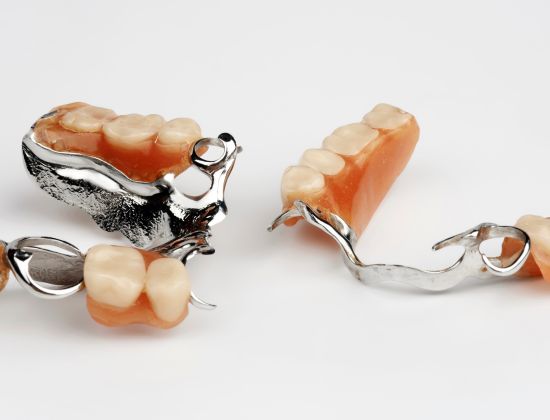
General cost breakdown:
- Basic full dentures: $1,300–$2,000 per arch
- High-end full dentures: $2,000–$3,000+ per arch
- Implant-supported dentures: $6,000–$15,000 (including surgery)
What influences the price:
- Extractions or preparatory treatments
- Choice of materials (acrylic, porcelain, flexible base)
- Whether implants or metal frameworks are used
Dental insurance often covers part of the cost, especially for medically necessary extractions. Some offices offer financing plans, which can be helpful for larger procedures. Ask whether your provider accepts your insurance and if there are bundled packages or payment plans.
What Should I Expect During the Adjustment Period?
The first few weeks with dentures can be a learning curve, both physically and emotionally. It’s normal to experience some discomfort and changes as your mouth adapts.
What to expect early on:
- Mild soreness or pressure, especially in the gums
- Minor speech difficulties—certain sounds may be harder to pronounce
- Eating soft foods while you get used to chewing with new surfaces
Tips to make the transition easier:
- Practice speaking by reading aloud
- Use a recommended adhesive to help with stability (if advised)
- Rinse with warm salt water to soothe irritated areas
- Attend follow-up visits for quick adjustments
Most patients begin to feel more comfortable within 3 to 4 weeks, though some may require additional adjustments over time.
How Do I Care for My Dentures Long-Term?
Proper care extends the life of your dentures and helps prevent infections or staining. A few simple habits make a significant difference.
Daily care routine:
- Rinse dentures after meals to remove debris
- Brush gently with a soft-bristle brush (avoid regular toothpaste)
- Soak overnight in a dentist-approved solution
Avoid:
- Bleach-based cleaners, which can weaken material
- Boiling water, which may distort the shape
- Using dentures while sleeping unless advised
Over time, your jaw and gums may shift, leading to a loose fit. This is why many dentists recommend replacing dentures every 5 to 7 years or sooner if they become cracked, worn, or uncomfortable.
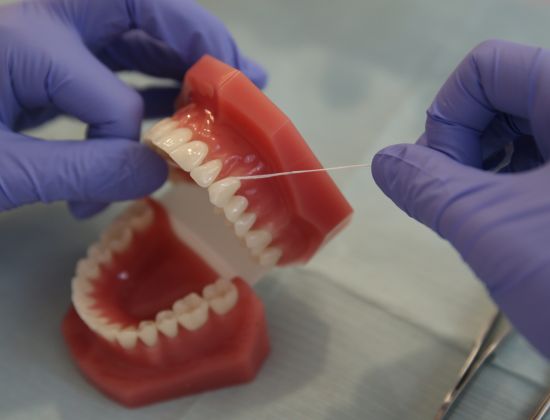
Research shows that poor denture hygiene can lead to oral infections and may even increase the risk of respiratory issues, particularly in older adults. Be diligent with daily care and regular checkups.
FAQs about Getting Dentures
What are the most common problems with new dentures?
Sore spots, gum irritation, and minor speech difficulties are normal in the beginning. Most are resolved with simple adjustments.
Can I sleep in my dentures?
It’s usually best to remove them at night to give your gums time to rest and reduce the risk of bacterial buildup.
Do dentures affect taste or speech?
Some users notice a temporary change in taste and speech. These issues typically improve with time and practice.
How often do dentures need to be replaced?
Most need replacing every 5 to 7 years due to natural changes in your gums and jaw.
What if I’m embarrassed about getting dentures?
Dentures today are much more natural in appearance. Many patients report renewed self-confidence after adjusting to them.
Article Source : dentures101.wordpress.com/2...
